


How to Choose a Wrongful Death Lawyer in the Bronx: Questions to Ask Before You Hire

November 13, 2026

How to Choose a Wrongful Death Lawyer in the Bronx: Questions to Ask Before You Hire

Choosing the right wrongful death attorney is not about finding a name on a billboard — it is about matching a lawyer to the specific cause of death, the Bronx court where the case will be filed, and the tight deadlines New York law imposes. Under EPTL § 5-4.1, most families have exactly two years from the date of death to file, and a misstep in those early weeks can erase evidence that never comes back.

This checklist walks Bronx families through the questions that actually reveal whether an attorney is the right fit — not generic promises, but concrete, verifiable criteria you can test at a first consultation.

Who Can File a Wrongful Death Claim in New York?

Only the personal representative of the decedent's estate — not family members directly — has legal standing to bring a wrongful death claim under New York law.

EPTL § 5-4.1 requires the action to be brought by the executor or administrator named in the decedent's estate. If no estate has been opened, surviving family must first obtain Letters of Administration or Testamentary from Bronx Surrogate's Court before or at the same time as filing. An attorney experienced with New York wrongful death claims can guide that process so it does not delay the civil case.

The people who ultimately recover are called distributees — typically a spouse, children, or parents. What they can recover is limited to pecuniary (economic) losses: lost earnings and financial support, lost household services, medical bills incurred before death, and funeral expenses. If the person survived the incident briefly before dying, a separate survival action under EPTL § 11-3.2 covers conscious pain and suffering — the same lawyer typically handles both claims together.

What Is the Filing Deadline?

For most wrongful death cases in New York, the statute of limitations is two years from the date of death under EPTL § 5-4.1(1) — but medical malpractice deaths follow a different clock.

When the fatal injury stems from medical negligence, CPLR § 214-a applies a 2.5-year period measured from the date of the malpractice act, not necessarily the date of death. That distinction matters enormously: if someone survived a hospital error for several months, the clock may have already been running before death occurred. Waiting even a few weeks to consult an attorney can shrink the time available to investigate, gather records, and name defendants.

Evidence degrades fast. Surveillance footage from a Bronx premises is often overwritten within 30 days. Electronic data from a commercial truck — logs governed by FMCSA regulations under 49 CFR Parts 390–399 — can disappear without a timely preservation demand. The deadline is a legal boundary, but the evidence window closes sooner.

How to Compare Wrongful Death Attorneys in the Bronx

The right questions shift the comparison from marketing language to observable, verifiable factors you can evaluate yourself.

Does the firm handle the specific cause of death? Fatal auto accidents, tractor-trailer crashes on the Bruckner Expressway or I-95, hospital errors, and premises liability collapses each involve different defendants, different discovery processes, and different regulatory frameworks. A firm that regularly handles fatal truck accident claims, for example, will know to send an immediate spoliation letter to preserve the truck's black box data — something a generalist might miss.

Can the firm coordinate with a parallel criminal case? When a crash results in vehicular manslaughter charges, a civil wrongful death claim runs alongside the criminal case — different burden of proof, different court, same underlying facts. A firm that understands how to coordinate with the DA's office, or at least not undermine the civil case through premature disclosures, protects the family's interests on both tracks.

Who will actually handle your case day to day? Ask whether the attorney you meet is the attorney who will appear at Bronx Supreme Court, take depositions, and return your calls. Large firms sometimes hand cases to junior staff after the initial meeting. Knowing the answer upfront prevents surprises later.

How does the firm preserve evidence immediately? Ask what steps the firm takes in the first 48 to 72 hours. The answer reveals whether the firm treats evidence preservation as a standard protocol or an afterthought. [wrongful death attorneys page — URL TBD]

Questions to Ask at Your First Consultation

Bring these specific questions — a direct, concrete answer from the attorney tells you more than any brochure.

  • Have you handled fatal crash, malpractice, or premises cases filed in Bronx Supreme Court?
  • Will you personally handle the case, or will it be assigned to another attorney or paralegal?
  • How quickly can you act to preserve physical and electronic evidence?
  • Do I need to open an estate before you can file — and can you help with that process?
  • What is your contingency percentage, and what costs are deducted from the recovery before that percentage is applied?
  • What is a realistic timeline for a case with facts like mine?
  • Can you coordinate with the DA's office if criminal charges have been filed?
  • How will you communicate updates to the family, and how often?

What to Bring to Your First Consultation

Arriving organized helps the attorney evaluate your case accurately in the time available.

  • Death certificate (or case number if not yet issued)
  • Police report or incident report
  • Emergency room and hospital medical records
  • Insurance information for all parties involved
  • Names and contact information of any witnesses
  • Photos or video from the scene, if available
  • Any correspondence already received from insurers or defense attorneys

Bronx-Specific Factors That Affect Your Case

Local conditions in the Bronx shape both the evidence available and the procedural path your case takes — which is why borough-specific experience matters.

Fatal crashes on I-95, the Cross Bronx Expressway, and the Bruckner Expressway frequently involve commercial vehicles operating under federal FMCSA rules. Those cases produce a wider universe of potential defendants — the driver, the trucking company, the cargo loader, the maintenance contractor — and require a lawyer who knows which records to demand and when. [fatal truck accident claims page — URL TBD]

Hospital and medical error deaths at Bronx-area facilities often involve the separate malpractice statute of limitations under CPLR § 214-a. Premises liability cases — falls, building collapses, dangerous conditions in residential or commercial buildings — typically require expert inspection before the site is altered. In every category, the speed of the attorney's initial response determines how much evidence survives.

How Fees Work — No Recovery, No Fee

New York wrongful death attorneys work on contingency, meaning the firm collects a percentage of the recovery only if the case succeeds — families owe nothing if there is no recovery.

What families should clarify upfront is the difference between the attorney's fee (the contingency percentage) and costs (filing fees, expert witness fees, medical record retrieval, deposition costs). Some firms deduct costs from the gross recovery before calculating the percentage; others apply the percentage first. Neither approach is improper, but knowing the structure in advance prevents confusion when a settlement is reached.

Contingency arrangements remove the financial barrier to pursuing a claim, but they also mean the attorney's income depends on the outcome — which aligns the firm's incentive directly with the family's recovery.

Knowing the verifiable criteria — standing under EPTL § 5-4.1, the two-year filing window, evidence preservation urgency, fee structure, and courtroom experience in Bronx County — gives families a concrete framework for comparing attorneys rather than relying on advertising claims.

Schedule a consultation with Sayegh & Sayegh PC to bring your questions and evaluate whether their approach fits your family's case. [free consultation page — URL TBD]

By Sayegh & Sayegh, P.C. • October 16, 2026
Bicycle accident claims in Yonkers, NY require proving negligence, documenting injuries, and navigating New York's no-fault insurance laws for fair compensation.
By Sayegh & Sayegh, P.C. • September 16, 2026
Premises liability cases in Yonkers, NY hold property owners accountable for unsafe conditions that cause injuries, including slip and falls and inadequate security.

By Sayegh & Sayegh PC • September 4, 2026
Recently arrested in Yonkers? Learn what local court experience, charge-type specialization, and fast response time mean for your defense — and what to ask before hiring.

By Sayegh & Sayegh, P.C. • August 16, 2026
Assault defense strategies in New York, NY include challenging evidence, proving self-defense, and negotiating reduced charges to protect your freedom and future.
By Sayegh & Sayegh, P.C. • July 16, 2026
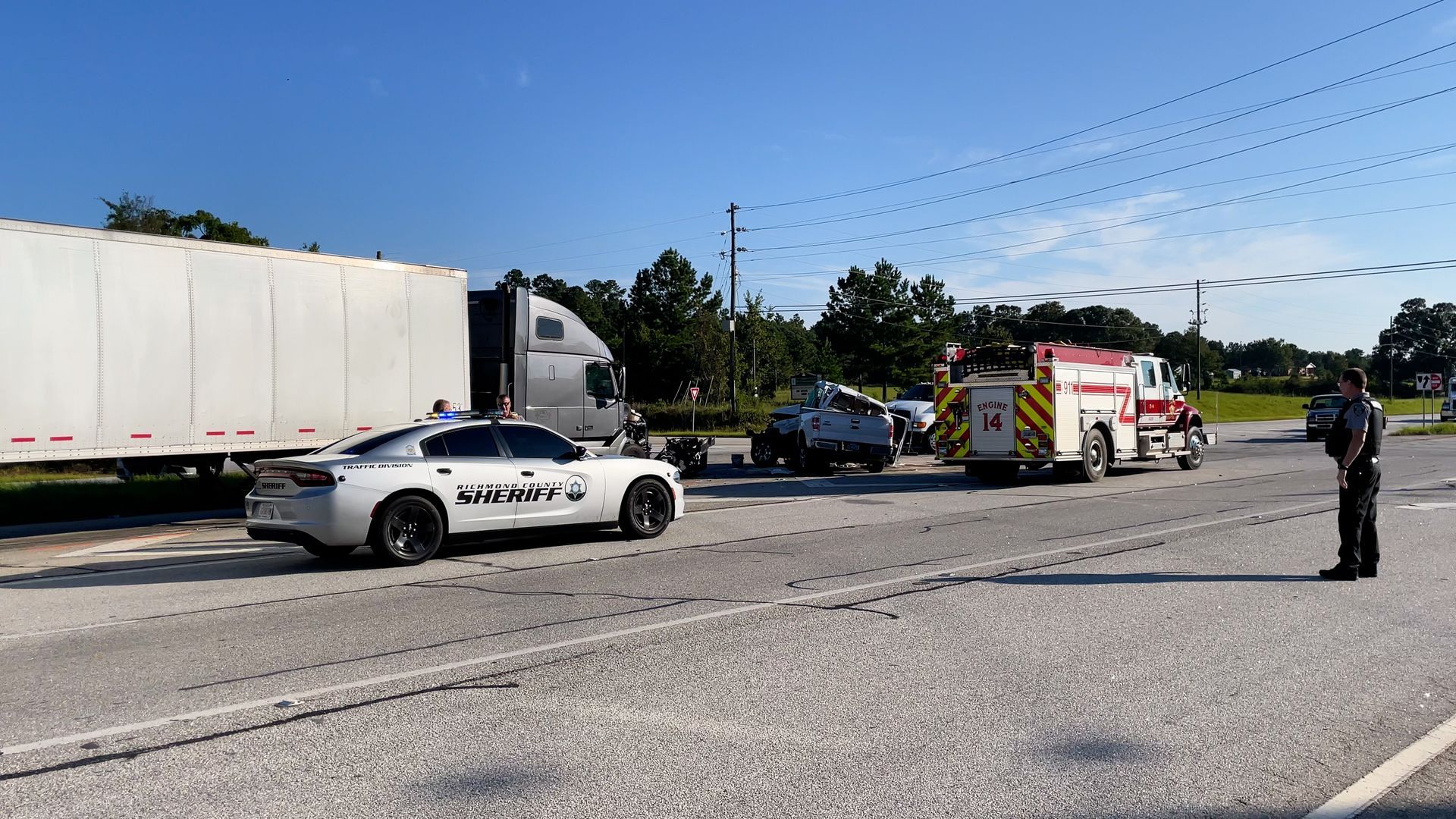
Truck accident litigation in Yonkers, NY involves identifying multiple liable parties, including drivers, trucking companies, and manufacturers, to maximize compensation.

By Sayegh & Sayegh, P.C. • July 16, 2026
DUI defense in New York, NY includes challenging breathalyzer accuracy, questioning arrest procedures, and negotiating reduced charges to protect your driving privileges.

By Sayegh & Sayegh, P.C. • July 16, 2026
Wrongful death lawsuits in Yonkers, NY allow families to recover damages for medical bills, lost income, and emotional suffering caused by negligence or misconduct.

By Sayegh & Sayegh PC • April 3, 2026
Probate administration in New Rochelle, NY includes will interpretation, asset distribution, estate planning with living trusts, and intestate estate administration.

By Sayegh & Sayegh PC • March 4, 2026
Business law services in Mount Vernon, NY cover business formation, commercial transactions, contracts, mergers and acquisitions, and litigation for growing companies.

By Sayegh & Sayegh PC • February 2, 2026
Real estate law assistance in White Plains, NY includes contract drafting, reviews, negotiations, and guidance through complex property transactions for buyers and sellers.
Show More